Ten easy houseplants for beginners
Ten forgiving houseplants that cope with real homes, real schedules and the occasional missed watering, with the light and water each one likes.
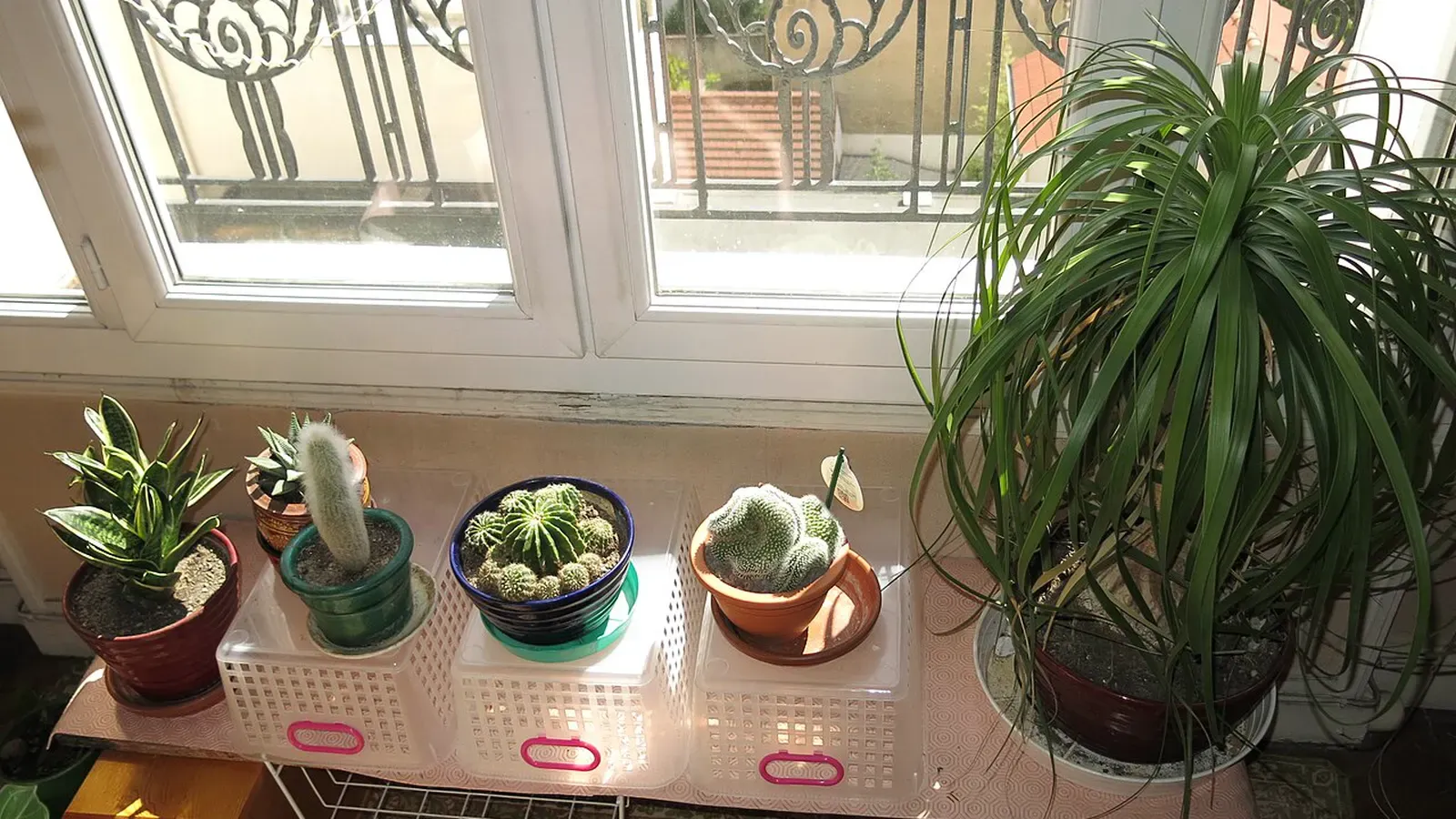
Photo: Tangopaso, Public domain, via Wikimedia Commons
An easy houseplant is not one that needs nothing. It is one that forgives a late watering, copes with ordinary light and tells you clearly when something is off. The ten plants below do all three. Each comes with the light it likes, how it drinks, and one thing worth knowing.
Before you choose
Start with your light, not the plant. Stand where the plant would go and look at the window. A spot within a metre or two of a bright window is good for most of this list. A dim corner further back suits only a few.
Then think about your rhythm. If you travel often, lean towards the plants that like to dry out fully.
1. Snake plant
Upright, architectural leaves that store water.
- Light: happiest in bright, indirect light, but copes with lower light.
- Water: let the soil dry out completely. In winter that can mean every few weeks.
- Worth knowing: too much water is far more of a problem than too little.
2. ZZ plant
Glossy leaves on thick stems, growing from rhizomes that hold water.
- Light: medium to bright, indirect light. Avoid harsh midday sun.
- Water: let it dry out fully between waterings.
- Worth knowing: it grows slowly, so a quiet few months is normal.
3. Golden pothos
A trailing vine with heart-shaped, often marbled leaves.
- Light: bright, indirect light keeps the marbling strong. It tolerates less.
- Water: when the top 2–3 cm of soil feel dry.
- Worth knowing: leaves soften and droop a little when it is thirsty, so it tells you when to water.
4. Spider plant
Arching striped leaves and small plantlets on long stems.
- Light: bright, indirect light.
- Water: when the top few centimetres are dry.
- Worth knowing: the plantlets root easily in a small pot of soil, so one plant soon becomes several.
5. Chinese money plant
Round, coin-like leaves on slim stalks.
- Light: bright, indirect light, without hot direct sun.
- Water: when the top few centimetres are dry.
- Worth knowing: it leans towards the window, so turn the pot a little each week to keep it even.
6. Peace lily
Dark green leaves and white flowers on tall stems.
- Light: medium to bright, indirect light. More light means more flowers.
- Water: when the top of the soil is dry. Do not let it sit in water.
- Worth knowing: it droops clearly when thirsty and stands up again within hours of a drink.
7. Aloe vera
A succulent with thick, fleshy leaves.
- Light: the brightest spot you have, such as a sunny windowsill.
- Water: let the soil dry out completely, then water thoroughly.
- Worth knowing: a gritty cactus mix and a pot with a drainage hole matter more than anything else.
8. Monstera
Large leaves that develop splits and holes as the plant matures.
- Light: bright, indirect light. In low light, new leaves stay small and solid.
- Water: when the top 2–3 cm of soil are dry.
- Worth knowing: it grows big. Give it room, and a moss pole if you want it to climb.
9. Rubber plant
Broad, glossy leaves on an upright stem.
- Light: bright, indirect light.
- Water: when the top few centimetres are dry. Water less in winter.
- Worth knowing: wipe the leaves with a damp cloth now and then. Dust blocks light.
10. Moth orchid
Phalaenopsis, the orchid sold in most supermarkets and garden centres.
- Light: bright, indirect light. An east-facing window is ideal.
- Water: when the bark is dry and the roots look silvery rather than green. Let it drain fully.
- Worth knowing: keep water out of the centre where the leaves meet, as it can rot there.
If you share your home with pets
Some of these plants are on the ASPCA list of plants toxic to cats and dogs, including snake plant, ZZ plant, pothos, peace lily, aloe vera and monstera. Spider plant and moth orchid are listed as non-toxic. If you have a cat or dog, look up each plant before you bring it home, keep the toxic ones out of reach, and check with your vet if you are unsure.
Starting small
You do not need all ten. Two or three plants that suit your light are a better start than a full shelf. Each care guide in /plants goes into more detail, and if you add your plants to LeafMinder, the reminders start from the species and adjust for your pot, light and season.
Pick one, give it a good spot, and let it settle in. The first new leaf is a lovely moment.
Plants in this post

Let LeafMinder remember for you.
One calm reminder a day that learns how each of your plants drinks. Free for up to 10 plants.
Start with your first plant