A simple checklist before you bring a new plant home
A few minutes of checking at home and at the shop saves a lot of guessing later. What to look at before you buy, how to carry a plant home in the cold, and how to help it settle in.
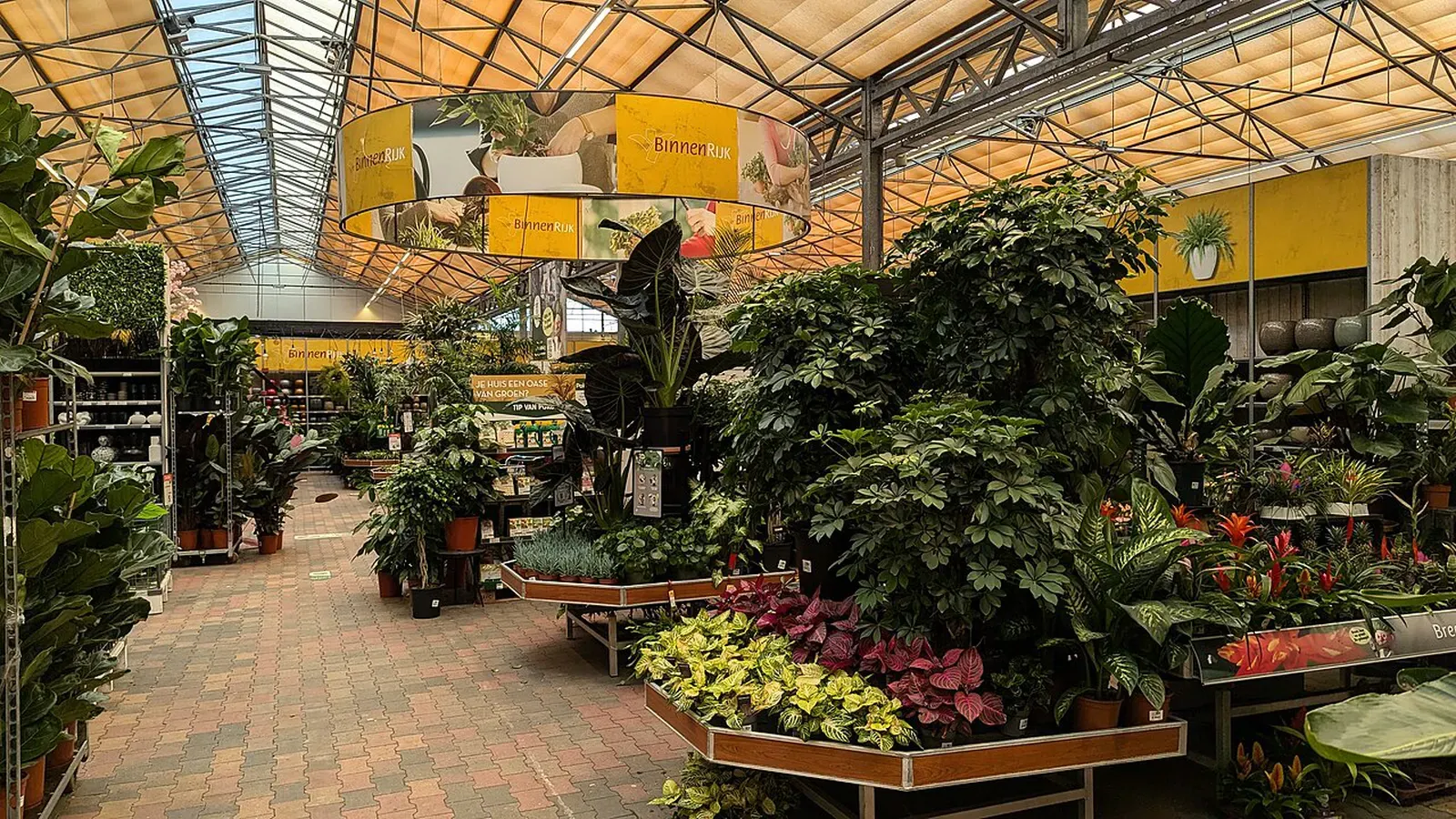
A new plant is a lovely thing to bring home. A few minutes of checking before you buy it makes the first weeks much easier, for you and for the plant. Here is a simple checklist in four parts: at home, at the shop, on the way home and the first two weeks.
At home, before you go
Start with the spot, then choose the plant. It is much easier than the other way round.
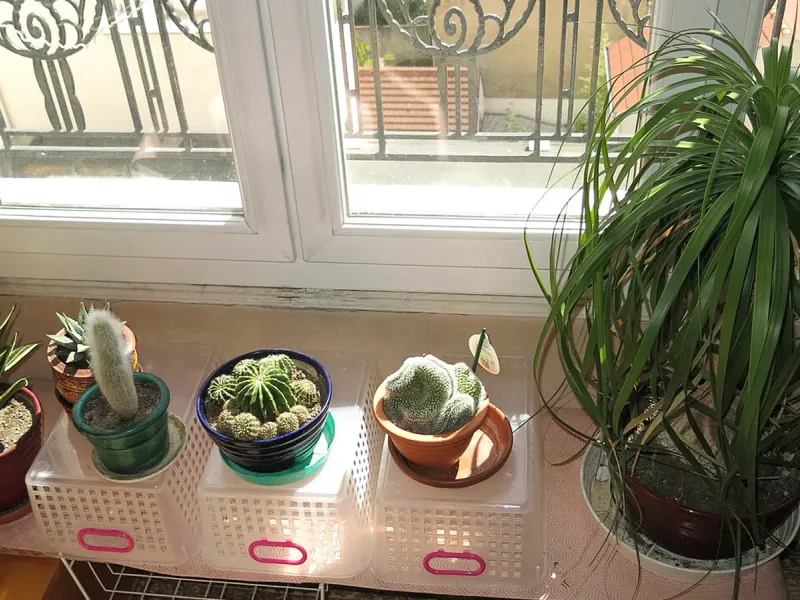
- Look at your light. Stand where the plant would go and look at the window. In most of Europe, south-facing windows get the most sun, east and west get gentler morning or afternoon light, and north-facing windows give soft light all day.
- Measure the distance. Light drops quickly as you move away from glass. A spot two or three metres back suits only plants that cope with low light, such as ZZ plant or snake plant.
- Check for heat and draughts. A spot right above a radiator, or next to a door that opens onto the cold, is hard on most plants.
- Think about the size it will reach. A small monstera does not stay small. Make sure there is room to grow.
- Think about your rhythm. If you are often away, a plant that likes to dry out fully, such as snake plant or ZZ plant, is kinder to both of you than a thirsty fern.
- Think about pets. Some popular plants are on the ASPCA list of plants toxic to cats and dogs, including lilies (especially dangerous for cats), pothos, monstera, ZZ plant, aloe vera and dieffenbachia. If you share your home with a pet, look up the plant first and check with your vet if you are unsure.
- Plan the pot. If your decorative pot has no drainage hole, plan to keep the plant in its plastic nursery pot and stand that inside.
At the shop
Take a minute with the plant before you choose it. Lift it, turn it, look underneath.
- Leaves: firm, with even colour. A few marks on old leaves are fine. Many yellow or limp leaves are not a good start.
- Undersides and leaf joints: look for fine webbing, sticky patches, white cottony tufts or tiny moving dots. These are signs of pests.
- New growth: a fresh leaf or bud is a good sign that the plant is actively growing.
- Stems: firm at the base. A soft or dark stem near the soil can mean rot.
- Soil: moist is fine. Soggy, sour-smelling or mouldy is a warning.
- Roots: a few roots peeking out of the drainage hole are normal. A solid mat of roots circling the pot means it will need a bigger pot soon.
- Label: keep it, or photograph it. The botanical name makes it much easier to find the right care.
On the way home
Most houseplants come from warm places and do not like cold air, even briefly. On a cold day, this matters.
- Ask for the plant to be wrapped in paper or a plant sleeve, or bring a bag to cover it.
- Go straight home if you can. Do not leave it in a cold car while you run other errands.
- In summer, the opposite applies. A hot car can scorch leaves in a short time.
The first two weeks
A new home is a change of light, temperature and air. Give the plant a little time.
- Keep it apart from your other plants for a week or two. If anything was hiding on it, you will see it before it spreads.
- Find its spot and leave it there. Moving it around makes settling in harder.
- Check the soil before the first watering. Plants in shops are often watered generously, so it may not need water for a while.
- Wait before repotting. Unless it is sitting in soggy soil or the roots are badly crowded, let it settle for a few weeks first. Spring is the best time to repot.
- Expect a leaf or two to drop. Some plants, such as weeping figs and fiddle-leaf figs, are known to shed a few leaves after a move. Steady care and a good spot are usually all they need.
Add it to your plant list
Once your plant has a spot, write down what it is, where it sits and what it is planted in. Those three details shape how often it will need water.
If you use LeafMinder, add it there. The reminders start from the species and adjust for the pot, the light, the place and the season, so the first check arrives at a sensible time. You can do it in /app, and the care guides have the details for each species.
Then enjoy it. The first new leaf in its new home is the sign that it has settled in.
Plants in this post

Let LeafMinder remember for you.
One calm reminder a day that learns how each of your plants drinks. Free for up to 10 plants.
Start with your first plant