



Boston fern
Nephrolepis exaltata · Nephrolepidaceae · Fern
Also called Sword fern, Nephrolepis
Keep the soil evenly moist and the air humid; brown, crispy fronds are the first sign it is too dry. Keep it away from radiators in winter.
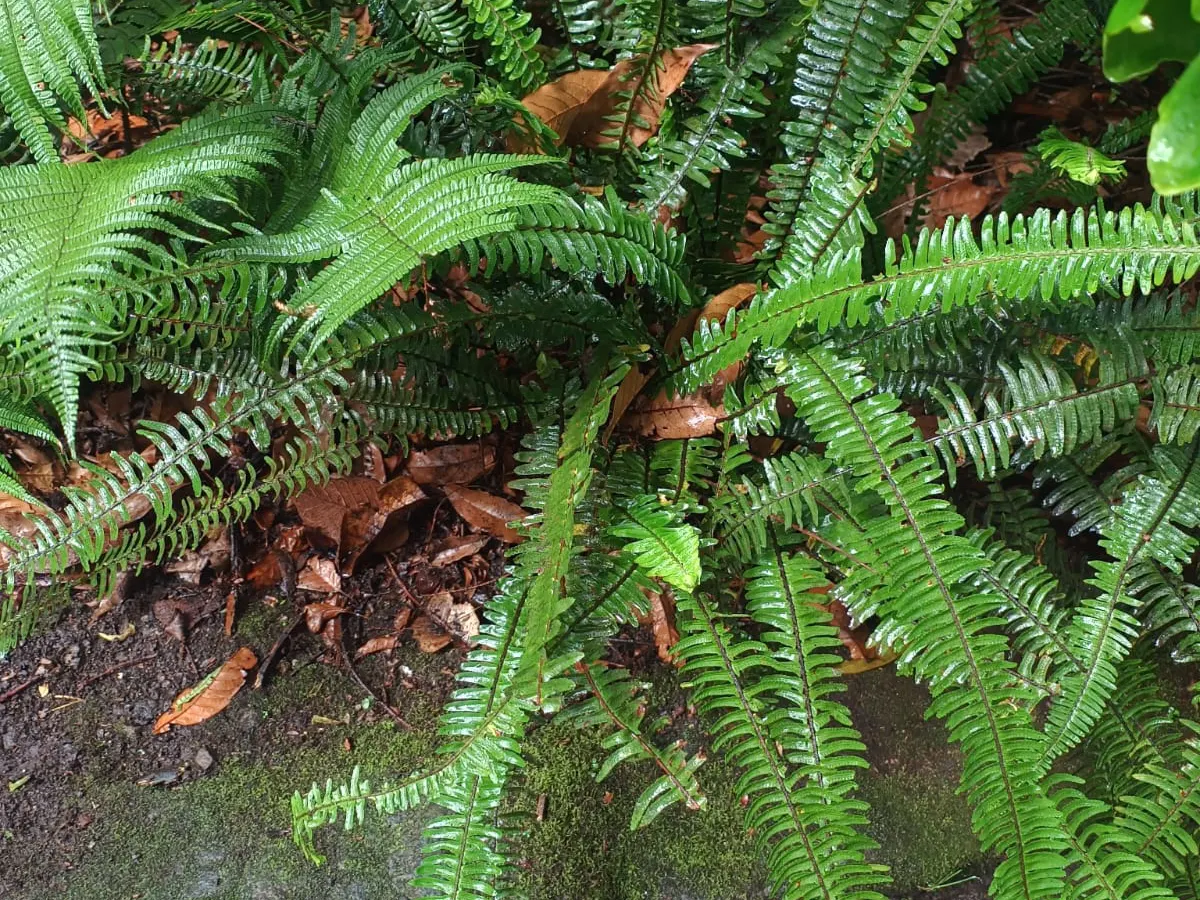
Photo: Nathaly 1106, CC0 1.0, via Wikimedia Commons
- Light
- Bright, indirect
- Water
- Keep the soil lightly moist, never soggy.
- Humidity
- Likes humid air
- Temperature
- 13–27 °C
- Care level
- Needs a little attention
- Pets
- Not known to be toxic to cats and dogs
How often to water Boston fern
About every 3 days in summer and every 6 days in winter. Keep the soil lightly moist, never soggy.
Roughly how often, in a medium pot (12–20 cm) in the light it likes. Smaller pots, brighter spots and warm balconies need water sooner; big pots and dim corners later.
- Spring every 3 days
- Summer every 3 days
- Autumn every 5 days
- Winter every 6 days
Worked out by LeafMinder’s schedule. In the app it then adapts to your home, from your “still damp” and “bone dry” answers.
Feeding and repotting
Feed about every 30 days from March to September, with a houseplant fertiliser at half strength. Not in the colder months. Check whether it needs a bigger pot every 12 months or so, ideally in spring.
Thirsty, or too wet?
- When it would like water
- The fronds lose their spring and look greyish, the soil surface feels dry and the pot is light. Left longer, the tips go brown and crisp and small leaflets start to drop.
- When it has had too much
- Fronds turn yellow or grey from the centre, the crown feels soft and the soil smells sour. Let the surface dry slightly, empty the saucer and water a little less often, especially in winter.
Soil and pot
It likes a peat-free mix that holds moisture but drains well, such as houseplant compost with some leaf mould or coir and a little sharp sand. A pot with drainage holes is a must, and a hanging basket shows off the arching fronds. It fills its pot quickly, so check every spring: roots packed tight, water running straight through and soil drying within a day mean it is time for a bigger pot, or to divide it.
Common problems
- Brown, crispy fronds
- The soil dried out, or the air is too dry, which is common in heated rooms in winter. Try first: Keep the soil evenly moist, move it away from radiators and raise the humidity with a tray of wet pebbles. Cut the brown fronds off at the base so new ones can grow.
- A shower of tiny leaflets dropping
- Dry air, a sudden move to a darker spot, or the soil drying out. Some shedding of old fronds is normal. Try first: Check the soil, raise the humidity and give it bright, indirect light. Shake out the old fronds and trim them back to the soil.
- Yellow, rotting fronds in the centre
- Soggy soil or water sitting in the crown, most often in winter when growth slows. Try first: Water around the edge of the pot rather than into the crown and let the surface dry slightly. Remove the rotten fronds.
- Small brown bumps scattered along the stems
- Scale insects. They differ from spore cases, which sit in neat rows under the leaflets and are normal. Try first: Cut off the worst affected fronds, which is often the easiest control, and scrape off the rest. Mealybugs can be removed with a cotton bud dipped in alcohol.
- Pale, washed-out fronds
- Too much direct sun, or a plant that has gone hungry in a small pot. Try first: Move it out of direct sun and feed at half strength once a month from spring to early autumn. Repot or divide if it is root-bound.
Not sure what you’re seeing? A photo health check suggests possible causes. How health checks work
Propagation
Division is the easiest way: in spring, cut the root ball into two or four pieces with a sharp knife, each with plenty of fronds, and pot them up in moist mix. It also sends out thin, furry runners that root where they touch soil; pin one onto a pot of moist mix, wait until it has roots and a few fronds, then cut it free. Keep new plants humid and out of direct sun.
Varieties and relatives
- 'Dallas': A smaller, compact form that copes better with lower light and drier air.
- 'Fluffy Ruffles': Shorter, stiff fronds with ruffled, frilly leaflets. Neat and upright.
- Fishbone fern (Nephrolepis cordifolia): More upright, with narrower fronds and small tubers on the roots. A little tougher.
- Macho fern (Nephrolepis biserrata): A much larger relative with broad, long fronds. Needs plenty of space.
Questions people ask
How often should I water a Boston fern?
About every 3 days in spring and summer, every 5 days in autumn and every 6 days in winter, in a medium pot indoors. Check first: the soil should stay evenly moist, never soggy and never dry right through.
Is Boston fern toxic to cats and dogs?
No, Boston fern is non-toxic to cats and dogs, which makes it a good choice for homes with pets. Eating a lot of any plant can still cause a mild upset stomach.
Why is my Boston fern dropping little leaves?
Shedding leaflets usually comes from dry air, the soil drying out or a move to a darker spot. Some loss of old fronds is normal; keep the soil moist, raise the humidity and give it bright, indirect light.
Can my Boston fern spend the summer outside?
Yes, a shaded, sheltered spot outdoors suits it once nights stay above about 13 °C. Keep it well watered, as it dries out faster outside, and check it for pests before bringing it back in early autumn.
From the journal
Sources and licences
This care guide was written with AI and checked against the sources below.
- Care checked against: University of Wisconsin–Madison Extension, NC State Extension Gardener Plant Toolbox, Royal Horticultural Society, ASPCA Animal Poison Control.
- GBIF Backbone Taxonomy: other botanical names. Record. CC BY 4.0. GBIF Secretariat (2023). GBIF Backbone Taxonomy. Checklist dataset https://doi.org/10.15468/39omei accessed via GBIF.org on 2026-11-15.
Material from these sources keeps its own licence; LeafMinder’s copyright doesn’t extend to it, and the sources don’t endorse LeafMinder.
General guidance. Every home is different, so the soil is always the best guide. About this advice
From LeafMinder’s plant care guides: leafminder.eu/plants/boston-fern