Seven signs your plant needs help, and what to do
Yellow leaves, drooping stems, brown tips. Plants tell you what they need, slowly. Here are seven common signs, what usually causes them and the calm next step for each.
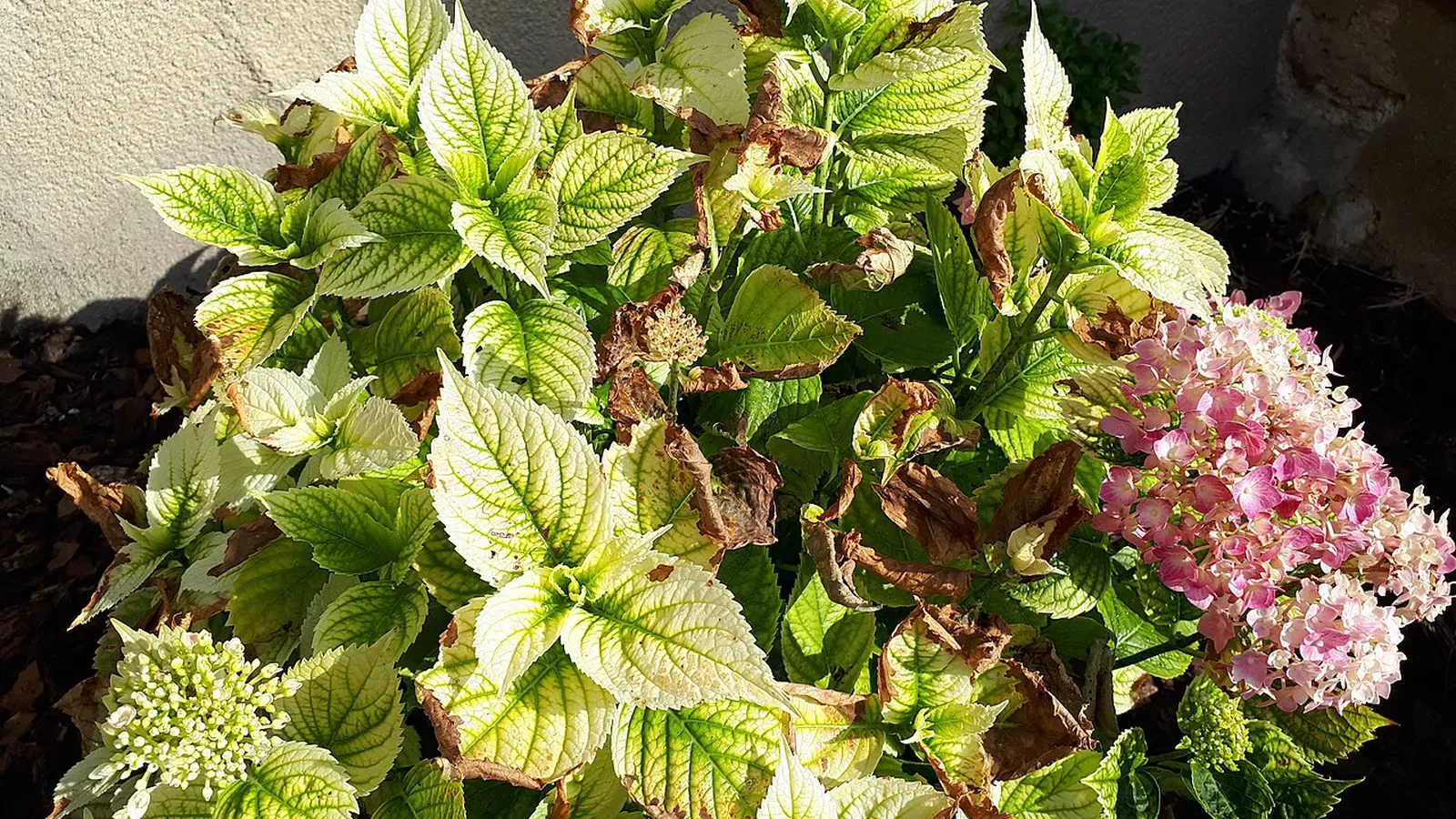
Photo: Pierre.hamelin, CC BY-SA 4.0, via Wikimedia Commons
Plants speak slowly, but they do speak. A yellow leaf, a droop or a brown edge is usually a simple message about water, light or air. The sooner you notice it, the easier the fix.
Before you change anything, check three things: the soil, the light, and whether anything has changed recently, such as a move, a new pot or the heating coming on. Most answers are there.
1. Yellow lower leaves
One old leaf near the base turning yellow now and then is normal. The plant is letting go of leaves it no longer needs.
Several yellow leaves at once, with soil that stays damp, usually mean too much water.
Next step: let the soil dry out more than usual before you water again. Check that the pot has a drainage hole and that no water is sitting in the outer pot or saucer.
2. Drooping or wilting
Drooping can mean too little water or too much, so the soil decides.
- Soil dry: the plant is thirsty. Water thoroughly. Soft-stemmed plants such as peace lily or pothos often perk up within hours.
- Soil wet: the roots may be struggling to take up water. Do not water more. Let it dry, and look at sign 7 below.
3. Brown, crispy tips or edges
Brown tips are common in winter, when indoor heating dries the air. Uneven watering, letting the soil swing from soaked to bone dry, also causes them. So can a build-up of minerals from tap water or fertiliser.
Next step:
- Water more evenly, and keep plants a little away from radiators.
- Group plants together. They raise the humidity around each other slightly.
- Every few months, flush the soil by watering slowly until plenty runs out of the bottom.
- Trim brown tips with clean scissors, following the shape of the leaf. They will not turn green again, but new leaves can grow in healthy.
4. Long, stretched stems and small leaves
If the stems grow long with big gaps between leaves, new leaves come in smaller, or the whole plant leans hard towards the window, it is reaching for light.
Next step: move it closer to a window, ideally within a metre or two. Turn the pot a quarter turn each week so it grows evenly. In winter, when the light in much of Europe is weak, this matters even more.
5. Pale, bleached or scorched patches
Pale, washed-out leaves or dry brown patches on the side facing the window usually mean too much direct sun. Plants that prefer indirect light, such as calathea, can scorch behind glass in summer.
Next step: move the plant back a little, or filter the light with a sheer curtain. The marked spots will stay, but new growth will come in clean.
6. Sticky leaves, fine webbing or tiny moving dots
These point to pests. Sticky leaves can mean aphids or scale. Fine webbing, often under leaves, points to spider mites. White, cottony tufts in leaf joints are usually mealybugs.
Next step:
- Move the plant away from your other plants.
- Rinse the leaves in the shower with lukewarm water, including the undersides.
- Wipe leaves and stems with a damp cloth. Remove cottony tufts with a cotton bud.
- Check again every few days and repeat for a few weeks. Pests have several generations, so one clean rarely clears them.
- For stubborn cases, an insecticidal soap from a garden centre helps. Follow the label.
7. A soft, dark stem base or sour-smelling soil
This is the one to act on soon. A stem that feels soft and dark near the soil, or soil that smells sour or musty, often means root rot from too much water over time.
Next step:
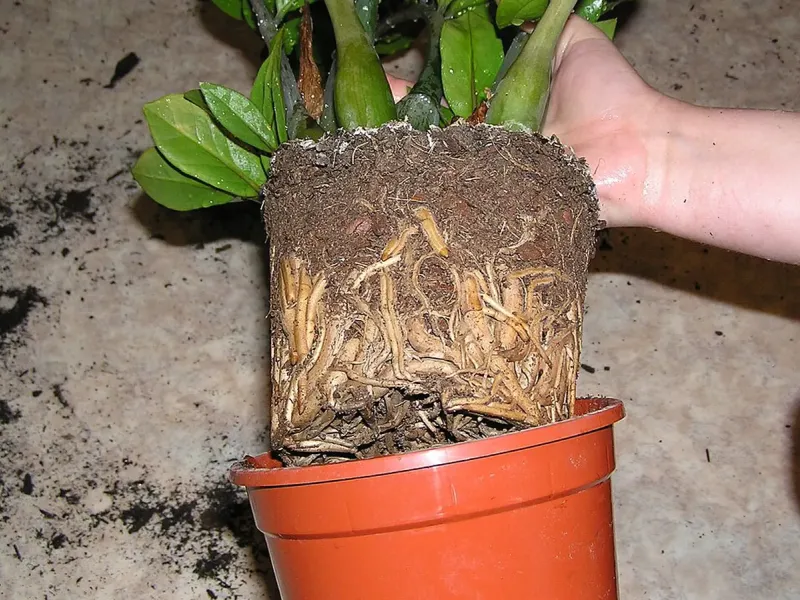
- Gently slide the plant out of its pot and look at the roots. Healthy roots are firm and usually pale. Rotting roots are brown or black, soft and come apart easily.
- Trim away the rotten roots with clean scissors.
- Repot into fresh, well-draining potting mix, in a pot with a drainage hole that is not too big.
- Water lightly and wait until the top of the soil dries before watering again.
If very few healthy roots are left, take a cutting from a healthy stem. Pothos and monstera root easily in a glass of water.
Noticing early
Most of these signs are easier to fix when you catch them early, and the simplest way to catch them is a quick look whenever you check the soil.
LeafMinder's reminders help with the most common cause. When you answer "still damp", the next reminder comes later, so watering follows what the plant actually needs. And for questions that need a trained eye, we are building a directory of plant experts, and experts are joining it.
A plant that shows you a problem is a plant that is still working with you. Read the sign, make one change, and give it a few weeks.
Plants in this post

Let LeafMinder remember for you.
One calm reminder a day that learns how each of your plants drinks. Free for up to 10 plants.
Start with your first plant