



Calathea zebrina
Goeppertia zebrina · Marantaceae · Leafy green plant
Also called Zebra plant, Zebra calathea
Water with soft, room-temperature water when the surface is dry. Curling leaves are its way of showing that the air or soil is too dry.
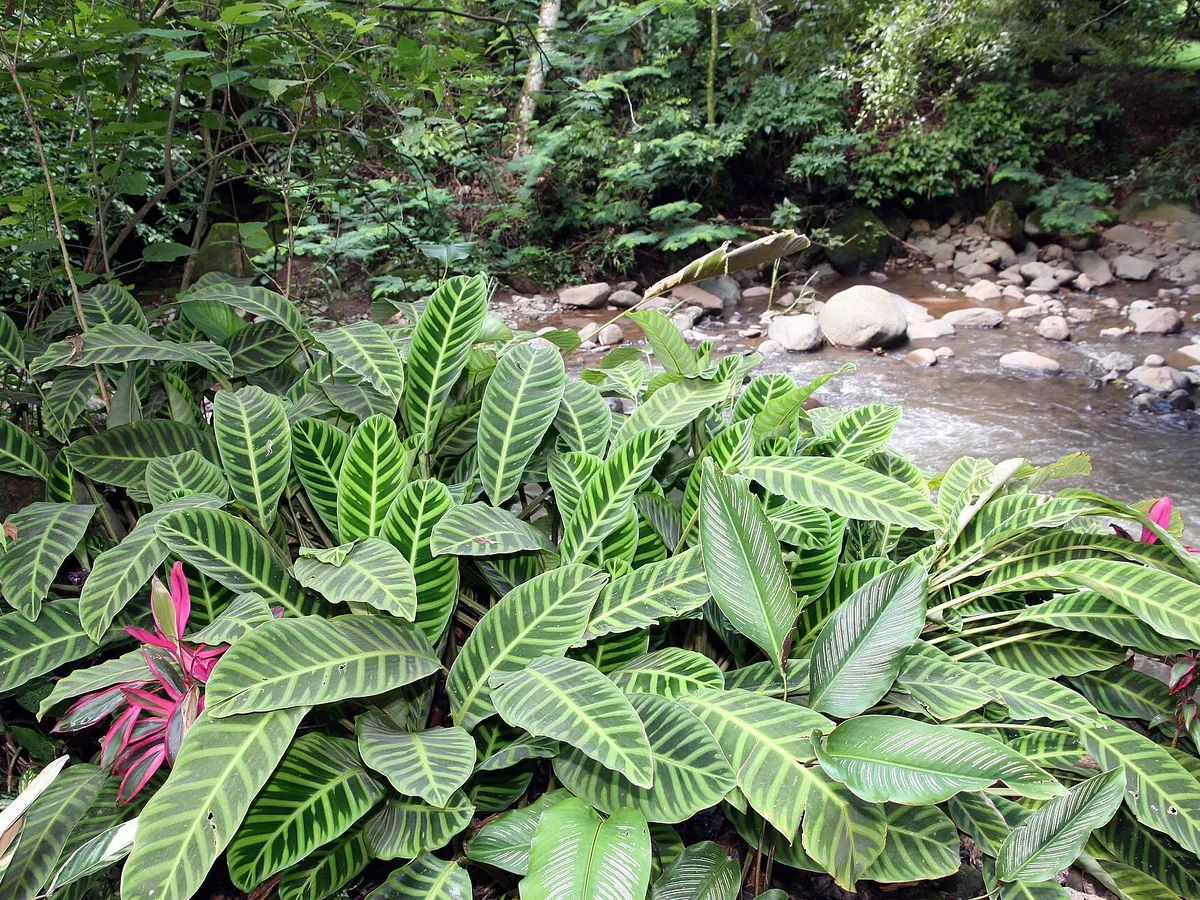
Photo: David J. Stang, CC BY-SA 4.0, via Wikimedia Commons
- Light
- Medium, a few steps from a window · copes with less
- Water
- Water when the top 2–3 cm of soil are dry.
- Humidity
- Likes humid air
- Temperature
- 18–27 °C
- Care level
- Particular about its conditions
- Pets
- Not known to be toxic to cats and dogs
How often to water Calathea zebrina
About every 5 days in summer and every 7 days in winter. Water when the top 2–3 cm of soil are dry.
Roughly how often, in a medium pot (12–20 cm) in the light it likes. Smaller pots, brighter spots and warm balconies need water sooner; big pots and dim corners later.
- Spring every 6 days
- Summer every 5 days
- Autumn every 6 days
- Winter every 7 days
Worked out by LeafMinder’s schedule. In the app it then adapts to your home, from your “still damp” and “bone dry” answers.
Feeding and repotting
Feed about every 30 days from March to September, with a houseplant fertiliser at half strength. Not in the colder months. Check whether it needs a bigger pot every 24 months or so, ideally in spring.
Thirsty, or too wet?
- When it would like water
- The striped leaves start to curl inwards along their length and may droop, and the top 2–3 cm of soil feel dry. Water then, with soft, room-temperature water.
- When it has had too much
- Lower leaves turn yellow, stems go soft at the base and the soil stays dark and heavy for days. Empty the saucer, let the top few centimetres dry before the next watering, and check the roots if stems keep collapsing.
Soil and pot
Use a rich, airy mix that holds moisture but drains freely, such as a peat-free houseplant compost with a little perlite or fine grit added. Always use a pot with drainage holes and empty the outer pot after watering. Repot in spring, about every two years, when roots circle the bottom or the clump fills the pot, into a pot just one size bigger.
Common problems
- Leaves curling
- The soil or the air is too dry. Curling is how the plant cuts its water loss. Try first: Check the soil and water if the top 2–3 cm are dry. Then raise the humidity around it with a tray of damp gravel, grouped plants or a humidifier.
- Brown, crispy leaf tips and edges
- Dry air, most often in heated rooms, and sometimes minerals or fluoride in hard tap water. Try first: Raise the humidity and switch to rainwater, filtered water or tap water left to stand for a day. You can trim the brown edges with clean scissors.
- Yellow lower leaves and soft stems
- Too much water, or water left standing in the outer pot, so the roots start to rot. Try first: Let the top few centimetres dry before watering, empty the saucer and make sure the pot drains freely.
- Faded stripes or scorched patches
- Direct sun bleaches and burns the leaves; very low light also dulls the pattern. Try first: Give it bright light without direct sun, a little back from a window or behind a sheer curtain.
- Fine webbing and speckled leaves
- Spider mites, which thrive in warm, dry air. Mealybugs and scale also turn up on calatheas. Try first: Rinse the leaves, top and underside, in the shower or wipe them with a damp cloth, keep the plant apart from others and raise the humidity. Repeat weekly until no new pests appear.
Not sure what you’re seeing? A photo health check suggests possible causes. How health checks work
Propagation
Calatheas are propagated by division, best in spring when you repot. Ease the plant out, gently pull or cut the clump into sections that each have several leaves and their own roots, and pot each one in moist mix. Keep them warm, humid and out of direct sun until new leaves appear. Calatheas don't grow from leaf or stem cuttings.
Varieties and relatives
- Peacock plant (Goeppertia makoyana): Thinner, oval leaves with a feather-like pattern and purple-red undersides.
- Rattlesnake plant (Goeppertia insignis): Long, wavy-edged leaves with dark spots and purple undersides; one of the easier calatheas.
- Calathea orbifolia (Goeppertia orbifolia): Large, rounded leaves with silvery stripes. It needs the same steady humidity and soft water.
- Prayer plant (Maranta leuconeura): A smaller, more spreading cousin with patterned leaves that also fold up at night.
Questions people ask
How often should I water a calathea zebrina?
About every 5 days in summer, every 6 days in spring and autumn and about once a week in winter, in a medium pot indoors. Check the top 2–3 cm of soil first and water when they feel dry.
Is calathea zebrina toxic to cats and dogs?
No. Calatheas are listed as non-toxic to cats and dogs by the ASPCA. A pet that chews a lot of leaves may still get a mild upset stomach, and chewed leaves won't regain their looks.
Why are my calathea zebrina's leaves curling?
Curling usually means the plant is short of water, either in the soil or in the air. Check the top few centimetres of soil and water if they're dry, then raise the humidity around it with damp gravel, grouped plants or a humidifier.
Why do my calathea's leaves move at night?
Calatheas raise and fold their leaves in the evening and lower them again in the morning, a natural daily rhythm. It's a sign of a living, healthy plant, not a problem.
Sources and licences
This care guide was written with AI and checked against the sources below.
- Care checked against: NC State Extension Gardener Plant Toolbox, Royal Horticultural Society (RHS), ASPCA Animal Poison Control, Cats Protection.
- GBIF Backbone Taxonomy: other botanical names. Record. CC BY 4.0. GBIF Secretariat (2023). GBIF Backbone Taxonomy. Checklist dataset https://doi.org/10.15468/39omei accessed via GBIF.org on 2026-11-15.
Material from these sources keeps its own licence; LeafMinder’s copyright doesn’t extend to it, and the sources don’t endorse LeafMinder.
General guidance. Every home is different, so the soil is always the best guide. About this advice
From LeafMinder’s plant care guides: leafminder.eu/plants/calathea-zebrina