



Lemon tree
Citrus × limon · Rutaceae · Balcony or garden plant
Also called Lemon, Citrus
Summer it outdoors in full sun and water when the top few centimetres are dry, with rainwater if you can. In winter keep it bright and cool, at around 10 °C, and water less; yellow leaves often mean cold or wet roots.
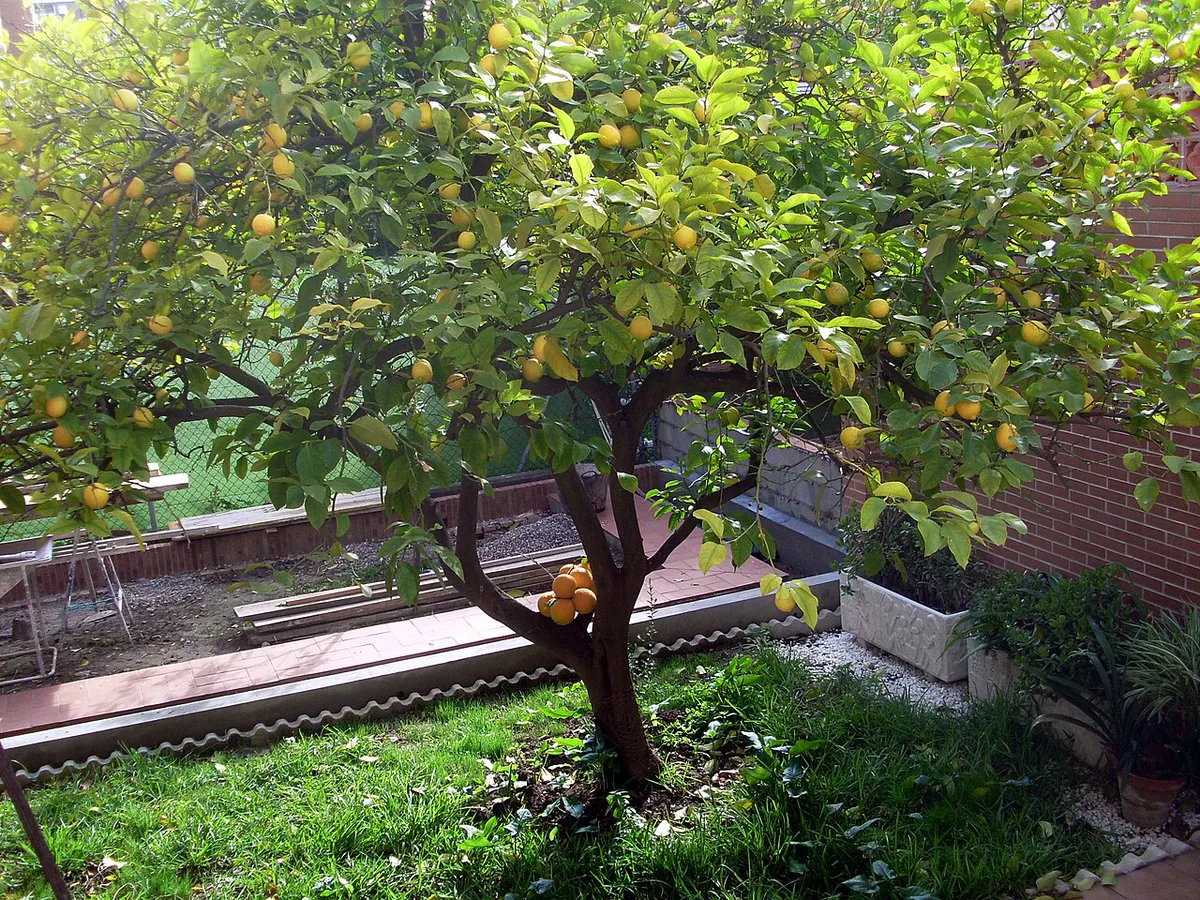
Photo: Benjamín Núñez González, CC BY-SA 4.0, via Wikimedia Commons
- Light
- Direct sun
- Water
- Water when the top 2–3 cm of soil are dry.
- Humidity
- Average
- Temperature
- 5–35 °C
- Care level
- Needs a little attention
- Pets
- Not safe for cats and dogs
How often to water Lemon tree
About every 4 days in summer and every 9 days in winter. Water when the top 2–3 cm of soil are dry.
Roughly how often, in a medium pot (12–20 cm) in the light it likes. Smaller pots, brighter spots and warm balconies need water sooner; big pots and dim corners later.
- Spring every 4 days
- Summer every 4 days
- Autumn every 6 days
- Winter every 9 days
Worked out by LeafMinder’s schedule. In the app it then adapts to your home, from your “still damp” and “bone dry” answers.
Feeding and repotting
Feed about every 14 days from March to September, with a houseplant fertiliser at half strength. Not in the colder months. Check whether it needs a bigger pot every 36 months or so, ideally in spring.
Thirsty, or too wet?
- When it would like water
- The leaves droop slightly and lose their shine, and the top of the compost looks pale and feels dry. Water thoroughly once the top 2–3 cm are dry; outdoors in summer heat, check every day.
- When it has had too much
- Leaves turn yellow and fall while the compost stays wet and heavy. Let the top few centimetres dry before watering again, never leave the pot standing in water, and water less in a cool winter spot.
Soil and pot
Use a free-draining compost made for citrus, or a soil-based compost mixed with about a fifth grit or sharp sand. Choose a pot only slightly larger than the root ball, with good drainage holes, since an oversized pot stays wet. It wants a bigger pot when roots show through the drainage holes; repot in spring. In the years between, replace the top few centimetres of compost with fresh.
Common problems
- Leaves dropping after moving indoors
- A sudden change in temperature or light, cold draughts, dry heated air, or temperatures below about 10 °C. Try first: Keep it in a bright, cool, steady spot, ideally around 10 °C in winter, away from radiators and cold draughts. Move it in and out gradually in spring and autumn.
- Yellow leaves
- Most often cold or wet roots, especially in winter; in the growing season a lack of nutrients can also yellow the leaves. Try first: Let the top 2–3 cm dry between waterings and make sure the pot drains. Feed regularly from spring to early autumn with a fertiliser made for citrus.
- Sticky leaves with brown bumps or white fluff
- Scale insects or mealybugs feeding on the sap; the honeydew can turn black with sooty mould. Try first: Scrape off scale and dab mealybugs with a cotton swab dipped in rubbing alcohol, then wipe the leaves. Check weekly, especially under the leaves, and use only products labelled for edible plants.
- Fine webbing and speckled leaves
- Spider mites, common on citrus indoors in warm, dry air. Try first: Rinse the leaves, including the undersides, raise the humidity around the plant, and check again every few days.
- Flowers but no fruit
- Too little light, or no insects to pollinate the flowers indoors. Try first: Give it as much direct sun as you can and move it outdoors for summer. Indoors, move pollen between open flowers with a small, soft brush.
Not sure what you’re seeing? A photo health check suggests possible causes. How health checks work
Propagation
Semi-ripe cuttings in summer are the most reliable way to get a plant just like the parent. Take a 10–15 cm shoot, remove the lower leaves, dip it in rooting hormone and set it in a moist, gritty mix under a clear cover, in warmth and bright light. A lemon grown from a pip sprouts easily but often grows large and thorny and may take many years to fruit, if it does at all.
Varieties and relatives
- Meyer: A cross between a lemon and a mandarin, with rounder, milder fruit; a popular choice for pots indoors.
- Garey's Eureka: A reliable, heavy-cropping lemon, often recommended for beginners.
- Ponderosa: Bears very large, thick-skinned lemons and is often grown in pots indoors.
- Calamondin: Citrus × microcarpa, a smaller relative with tiny, sour orange fruit; it needs a warmer winter, at least 13 °C.
Questions people ask
How often should I water a lemon tree?
About every 4 days in spring and summer, every 6 days in autumn and every 9 days in winter, in a medium pot indoors. Check that the top 2–3 cm are dry first; outdoors in summer heat it may need water every day.
Is a lemon tree toxic to cats and dogs?
Yes. The ASPCA lists lemon as toxic to cats and dogs: its essential oils and psoralens can cause vomiting, diarrhoea and skin irritation. Keep it out of reach and call your vet if a pet chews the leaves or peel.
Why is my lemon tree losing its leaves?
Usually because of a change: moving indoors, cold draughts, temperatures below about 10 °C, dry heated air, or roots that are too wet or too dry. Keep it bright and steady and check the watering; new leaves follow in spring.
Can I grow a lemon tree from a pip?
Yes, pips sprout easily, but the tree often grows large and thorny and can take many years to fruit, if it does at all. For fruit, a grafted plant or a cutting from a fruiting tree is a better start.
Sources and licences
This care guide was written with AI and checked against the sources below.
- Care checked against: Royal Horticultural Society, Iowa State University Extension and Outreach, ASPCA Animal Poison Control, UF/IFAS Extension.
- GBIF Backbone Taxonomy: other botanical names. Record. CC BY 4.0. GBIF Secretariat (2023). GBIF Backbone Taxonomy. Checklist dataset https://doi.org/10.15468/39omei accessed via GBIF.org on 2026-11-15.
Material from these sources keeps its own licence; LeafMinder’s copyright doesn’t extend to it, and the sources don’t endorse LeafMinder.
General guidance. Every home is different, so the soil is always the best guide. About this advice
From LeafMinder’s plant care guides: leafminder.eu/plants/lemon-tree